
Food Distribution Companies in UAE: How to Choose a Reliable Partner for Your Business
Food Distribution Companies in UAE: How to Choose a Reliable Partner for Your Business
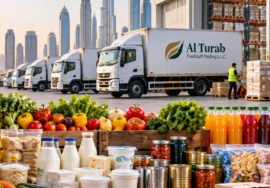
The UAE imports a large majority of its food. Fruits, vegetables, rice, meat, seafood, dairy and packaged goods travel through ports, free zones and cold storage facilities before they reach supermarkets, restaurants, hotels and homes. The businesses that keep this system moving are food distribution companies in UAE. If you run a restaurant, retail store, catering company or hospitality brand, the distributor you choose directly affects your costs, your food quality and your reputation.
This guide explains what food distributors do, the main types you will find in the market, what to check before signing an agreement, and how to build a long-term supply relationship.
What Do Food Distribution Companies in UAE Actually Do?
A food distributor is the link between producers and buyers. Farmers, manufacturers and exporters usually sell in large volumes, while a restaurant or grocery store needs smaller, regular deliveries. Distributors close that gap by sourcing, importing, storing, packing and delivering products on a schedule that suits the buyer.
Sourcing and Importing
Good distributors build relationships with growers and exporters in many countries. This lets them offer a wide range of products, from staples such as rice, flour, oil and pulses to fresh produce, frozen meat and seafood. Strong sourcing also helps them stay flexible when prices or availability change in one region.
Storage and Cold Chain Management
Many food products are sensitive to temperature. Fresh vegetables, chilled dairy, frozen poultry and fish all need controlled conditions from the moment they arrive until they are delivered. In a hot climate like the UAE, a reliable cold chain is not a bonus. It is a basic requirement for food safety.
Delivery and Logistics
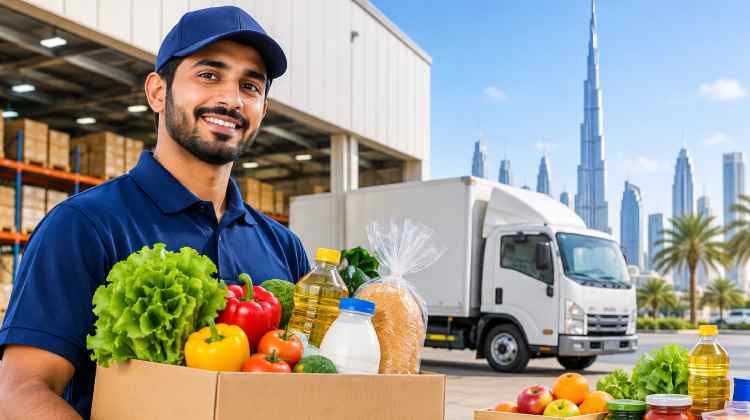
Distributors manage orders, route planning and last-mile delivery. Timely deliveries matter, especially for restaurants and hotels that work with tight preparation schedules and cannot afford missing ingredients.
Types of Food Distribution Companies in the UAE
The market includes several kinds of distributors, and the right one depends on what you sell and how much you buy.
General Foodstuff Distributors
These companies supply a broad catalogue of dry goods and packaged products, such as rice, sugar, cooking oil, spices, canned food, beverages and snacks. They are a good choice for supermarkets, grocery stores and wholesalers who want to source many items from one supplier.
Fresh Produce Suppliers
Fruit and vegetable distributors source daily from local farms and international markets. Freshness, grading and consistent quality are the main points of difference. Restaurants, hotels and juice outlets often depend on these suppliers for regular deliveries.
Meat, Poultry and Seafood Distributors
These distributors handle chilled and frozen proteins. Halal compliance, proper certification, traceable origin and strict temperature control are essential. Buyers should always confirm documentation before placing large orders.
Specialty and Import-Focused Distributors
Some companies focus on specific products, such as premium seafood, organic goods or regional specialties. These suppliers suit businesses that want a distinctive menu or product range.
HORECA Suppliers
HORECA stands for hotels, restaurants and catering. Suppliers in this segment offer bulk packaging, flexible ordering and regular delivery schedules designed around professional kitchens.
Why the UAE Is a Strong Hub for Food Trading
The UAE has several advantages that make it a major centre for food trade. Its location connects suppliers in Asia, Africa, Europe and the Americas with buyers across the Gulf and beyond. Modern ports and free zones support efficient import and re-export. The country also has a diverse and growing population, a busy tourism sector and a large hospitality industry, all of which create steady demand for quality food products.
This demand has encouraged distributors to invest in warehousing, refrigerated transport and digital ordering. For buyers, that means more choice, but it also means more care is needed when selecting a partner.
Key Factors to Consider Before Choosing a Food Distributor
Licensing and Regulatory Compliance
Food businesses in the UAE operate under local and federal food safety rules. Depending on the emirate, regulators such as Dubai Municipality and the Abu Dhabi Agriculture and Food Safety Authority oversee storage, handling and labelling standards. Ask any potential distributor for a valid trade licence and relevant food safety approvals, and confirm that their facilities meet the requirements of the emirate where they operate.
Food Safety Standards and Certifications
Look for evidence of systems such as HACCP or ISO 22000, which show that a company manages food safety risks in an organised way. For meat and poultry, halal certification and clear origin documents are equally important.
Product Quality and Consistency
Quality should be the same in your tenth order as in your first. Request samples, check packaging condition, and review how the supplier handles complaints or returns. A reliable distributor will be open about product specifications and sourcing.
Pricing and Transparency
The cheapest quote is not always the best value. Compare pricing together with product quality, minimum order quantities, payment terms and delivery charges. Clear, written pricing helps you avoid surprises and plan your budget with confidence.
Delivery Reliability and Coverage
Ask about delivery areas, lead times and what happens if an order is delayed. Distributors with their own vehicles and organised dispatch systems generally offer better control than those who rely entirely on third parties.
Range of Products
A supplier that can provide multiple categories saves you time and simplifies your purchasing. It also gives you more negotiating strength, since consolidated orders are more attractive to the supplier.
Communication and Customer Support
Responsive communication is a sign of professionalism. Whether you need an urgent re-order, a price update or help with a quality concern, you should be able to reach a real person quickly.
Common Challenges in Food Distribution and How Good Distributors Solve Them
Food distribution involves real operational challenges. Global price changes, shipping delays, seasonal supply gaps and strict storage requirements can all disrupt supply. Experienced distributors reduce these risks by working with multiple suppliers across different countries, maintaining sensible stock levels, and planning ahead for peak seasons such as Ramadan and the winter tourism period.
For buyers, the lesson is simple: choose a partner who plans ahead, communicates early when problems arise, and has alternatives ready.
Tips for Building a Long-Term Relationship With Your Distributor
The best supply relationships are partnerships, not just transactions. Share your expected monthly volumes so your supplier can plan stock. Pay on agreed terms to build trust. Give honest feedback on quality and service, and review your product mix regularly as your menu or customer demand changes. Over time, this approach often leads to better pricing, priority service and more flexible terms.
Why Choose Alturab Food as Your Food Supply Partner?
Alturab Food is a Dubai-based company that works with a wide network of clients across the food trade. We focus on dependable sourcing, fair pricing and clear communication, so that restaurants, retailers and trading partners can rely on a steady supply. We also work with suppliers of fruits, vegetables and other food products who want to reach active buyers in the UAE market.
Frequently Asked Questions About Food Distribution Companies in UAE
What is a food distribution company?
A food distribution company buys food products from producers, manufacturers or exporters and supplies them to businesses such as supermarkets, restaurants, hotels and caterers. Most also provide storage, packing and delivery services.
How do I choose the best food distributor in the UAE?
Check their trade licence, food safety certifications, product quality, delivery reliability and pricing transparency. Requesting samples and speaking to existing clients can also help you make a confident decision.
Do food distributors in the UAE supply restaurants and hotels?
Yes. Many distributors specialise in the HORECA sector and offer bulk packaging, regular delivery schedules and a range of fresh, frozen and dry products suited to professional kitchens.
Is halal certification important when buying meat and poultry?
Yes. Halal compliance is a basic expectation in the UAE market. Always ask for valid halal certificates and origin documents from your supplier before purchasing meat and poultry products.
What is the cold chain, and why does it matter?
The cold chain is the continuous temperature-controlled process that keeps perishable food safe from storage to delivery. Because of the UAE’s warm climate, maintaining the cold chain is critical for protecting food quality and safety.
Can small businesses order from food distributors?
Many distributors work with businesses of different sizes, although minimum order quantities vary. It is best to confirm order requirements, payment terms and delivery schedules before you begin.
Can suppliers work with a UAE food distributor on a commission basis?
Some distributors offer commission-based arrangements for suppliers, particularly for fresh produce. Terms differ from company to company, so it is important to agree on rates, payment timelines and responsibilities in writing.
Partner With Alturab Food Today
Whether you are a business looking for reliable food supply in the UAE or a supplier who wants to reach new buyers, Alturab Food is ready to help. Contact our team today to discuss your requirements, request a quote or explore a supply partnership. Visit https://alturabfood.com/ or message us on WhatsApp at +971 55 618 0015 and let us support your business with dependable service and quality products.