
Monosodium Glutamate Ajinomoto: Uses, Benefits and Safety Explained
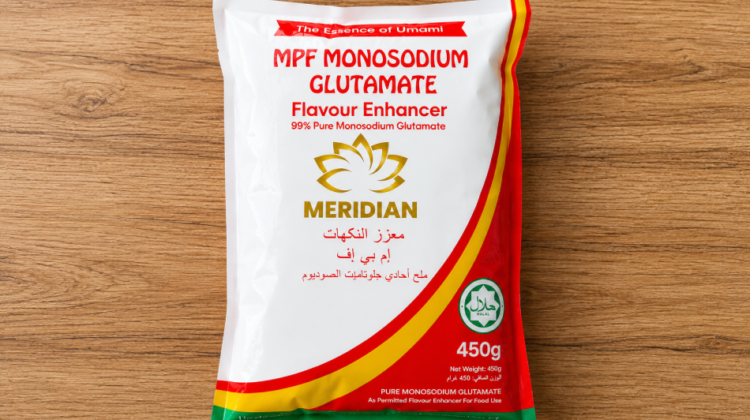
Monosodium glutamate, commonly known as MSG, is one of the most widely recognized flavour enhancers in the food industry. It is frequently associated with Ajinomoto, a well-known brand that has helped introduce the taste of umami to kitchens, restaurants and food manufacturers around the world.
Despite its widespread use, many consumers still have questions about monosodium glutamate Ajinomoto. What exactly is MSG? How is it produced? Is it safe? Which foods can it be used in? Understanding the facts can help consumers, chefs, wholesalers and food businesses use this ingredient responsibly and effectively.
This guide explains the meaning, uses, benefits and safety of MSG while also offering practical tips for using it in home cooking and commercial food preparation.
What Is Monosodium Glutamate?
Monosodium glutamate is the sodium salt of glutamic acid. Glutamic acid is an amino acid that occurs naturally in the human body and in many commonly consumed foods.
Natural sources of glutamate include:
- Tomatoes
- Mushrooms
- Seaweed
- Meat
- Fish
- Milk
- Cheese
- Soy-based foods
MSG is mainly used as a seasoning and flavour enhancer. It strengthens the savoury character of food without adding a separate dominant flavour. When used correctly, it helps ingredients taste fuller, richer and more balanced.
What Is Ajinomoto?
Ajinomoto is a globally recognized food and seasoning brand. The name is strongly associated with monosodium glutamate because AJI-NO-MOTO® is one of the best-known branded MSG seasonings worldwide.
It is important to understand that Ajinomoto is a brand name, while monosodium glutamate is the name of the ingredient. In some markets, people commonly use the word “Ajinomoto” when referring to MSG in general. However, not every MSG product is manufactured or sold by the Ajinomoto Group.
Businesses purchasing monosodium glutamate should therefore check the brand name, manufacturer, product specifications, packaging, country of origin and supplier credentials before placing an order.
What Is Umami Flavour?
Umami is commonly described as the fifth basic taste, alongside sweet, sour, salty and bitter. The word is associated with a pleasant savoury taste that adds depth and richness to food.
Umami is naturally present in foods such as tomatoes, mushrooms, aged cheese, meat, seafood and fermented products. Monosodium glutamate provides glutamate in a form that can be easily detected by taste receptors, helping strengthen the umami flavour of a dish.
MSG does not normally make food taste artificial when used in an appropriate quantity. Instead, it supports the natural flavours already present in the recipe.
How Is Monosodium Glutamate Made?
Modern monosodium glutamate is generally produced through fermentation. This process is similar in principle to fermentation methods used to produce foods such as yoghurt, vinegar and certain fermented sauces.
Manufacturers may begin with plant-based raw materials containing carbohydrates, such as sugar cane, sugar beet, cassava, corn or other crops. Microorganisms are used during fermentation to produce glutamic acid. The glutamic acid is then processed with sodium, purified, crystallized and dried to create MSG crystals.
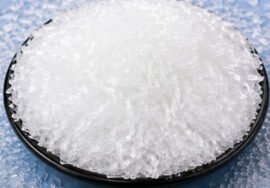
The final product is usually a white crystalline seasoning that dissolves easily in water and blends well into savoury dishes.
Common Uses of Monosodium Glutamate Ajinomoto
Monosodium glutamate Ajinomoto can be used in domestic kitchens, restaurants, catering operations and industrial food production. It is especially effective in savoury recipes.
Soups and Broths
MSG can help improve the depth of chicken soup, vegetable soup, lentil soup, seafood broth and meat-based stock. It is especially useful when a broth tastes flat even after the main ingredients have been properly cooked.
Rice and Noodle Dishes
A small amount can be added to fried rice, noodles, biryani seasoning, savoury rice dishes and stir-fries. It should be combined carefully with salt, sauces and other seasonings.
Meat and Poultry
Monosodium glutamate may be used in marinades, minced meat mixtures, kebabs, burgers, grilled chicken, fried chicken coatings and processed meat seasonings. It helps create a fuller savoury profile without covering the natural character of the meat.
Vegetable Dishes
Vegetable stir-fries, curries and roasted vegetables can benefit from umami enhancement. MSG may be particularly useful in plant-based dishes where a stronger savoury taste is desired.
Sauces and Gravies
MSG can support the flavour of tomato sauces, chilli sauces, brown gravies, curry sauces, dipping sauces and seasoning pastes. Food manufacturers may also include it in dry sauce mixes and instant gravy products.
Snacks and Seasoning Blends
Monosodium glutamate is commonly found in seasoning systems for chips, crackers, savoury nuts, popcorn and other snack products. It can also be included in spice mixes, soup powders and stock formulations.
Restaurant and HoReCa Applications
Hotels, restaurants and catering businesses may use MSG to maintain flavour consistency across large batches of food. Controlled measurement is important so that every batch follows the same approved recipe.
Benefits of Using MSG in Food Preparation
Enhances Savoury Flavour
The main benefit of MSG is its ability to enhance umami. It can make savoury dishes taste richer and more satisfying while supporting the flavour of the main ingredients.
Provides Consistent Results
When food businesses use standardized recipes, measured quantities of MSG can help maintain consistent taste across different batches, outlets and production days.
Works in Many Types of Cuisine
Although MSG is often associated with Asian cuisine, it can be used in foods from many culinary traditions. It works well in Middle Eastern, South Asian, African, European and international recipes whenever savoury flavour needs to be strengthened.
May Support Sodium-Reduction Formulations
MSG contains less sodium by weight than ordinary table salt. Because it improves savoury flavour, food developers may use it as part of a carefully designed sodium-reduction strategy.
However, it should not be assumed that adding MSG automatically makes a product low in sodium. The total sodium content depends on all ingredients in the complete recipe, including salt, sauces, stock powders and processed components.
Suitable for Home and Commercial Kitchens
MSG is versatile enough for household cooking while also being practical for restaurants, wholesalers, seasoning manufacturers and food-processing companies.
Is Monosodium Glutamate Safe?
Monosodium glutamate has been evaluated by international and national food-safety authorities. The United States Food and Drug Administration considers added MSG generally recognized as safe under its intended conditions of use.
The Joint FAO/WHO Expert Committee on Food Additives has also evaluated monosodium glutamate and related glutamate salts. These assessments support the use of MSG as a permitted flavour enhancer when it is produced according to applicable standards and used appropriately.
Some people report temporary symptoms after consuming a large quantity of MSG, particularly when it is consumed without food. Reported symptoms may include headache, flushing, tingling or discomfort. Scientific studies have not consistently reproduced these reactions under normal dietary conditions.
Individuals who believe they are sensitive to MSG should review ingredient labels, monitor their personal response and consult a qualified healthcare professional for individual advice.
Does MSG Contain Gluten?
The word “glutamate” may sound similar to “gluten,” but they are different substances. Glutamate is related to glutamic acid, an amino acid, while gluten is a group of proteins found in grains such as wheat, barley and rye.
MSG itself is not gluten. However, consumers with allergies or coeliac disease should still review the complete product label and any allergen statement. This is particularly important for seasoning blends that may contain ingredients in addition to pure monosodium glutamate.
Is MSG the Same as Salt?
MSG and table salt are not the same ingredient.
Table salt is sodium chloride and mainly provides a salty taste. Monosodium glutamate contains sodium and glutamate and is mainly used to provide or enhance umami flavour.
They may be used together in recipes, but one should not always replace the other in equal quantities. A well-balanced formulation considers saltiness, umami, acidity, sweetness, aroma and the natural flavour of the main ingredients.
How Much MSG Should Be Used?
MSG should be used sparingly. The correct amount depends on the recipe, serving size and other seasonings already present.
For home cooking, begin with a small pinch and taste the food before adding more. Avoid pouring MSG directly into a dish without measuring, especially when preparing small portions.
For commercial kitchens and food production, MSG should be measured according to a tested recipe or approved product formulation. Manufacturers should follow local food regulations, ingredient limits where applicable and labelling requirements in their target market.
Best Practices for Cooking with Monosodium Glutamate
- Add a small quantity first and adjust only after tasting.
- Reduce excessive salt before trying to correct the flavour with more seasoning.
- Use MSG mainly in savoury foods rather than sweet recipes.
- Mix it evenly into soups, sauces, marinades or dry seasoning blends.
- Do not use it to hide poor-quality or spoiled ingredients.
- Maintain written recipes in restaurants and commercial kitchens.
- Store the product in a cool, dry place away from moisture.
- Keep the package properly sealed after opening.
MSG for Restaurants, Wholesalers and Food Manufacturers
For food-service and industrial buyers, purchasing MSG involves more than comparing prices. Product quality, consistency, documentation and supply reliability are equally important.
Before purchasing monosodium glutamate in bulk, buyers should consider:
- Brand and manufacturer
- Country of origin
- Purity and product specifications
- Packaging size
- Batch information
- Manufacturing and expiry dates
- Storage instructions
- Certificate of analysis
- Halal certification where required
- Food-safety documentation
- Import and labelling compliance
- Supplier reliability
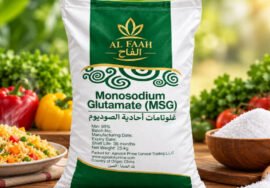
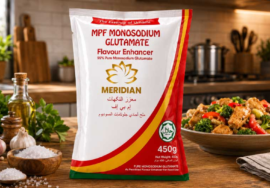
Restaurants may prefer smaller, convenient packages, while wholesalers and manufacturers may require larger food-service or industrial bags. Choosing the correct pack size helps control costs, storage requirements and product freshness.
How to Identify a Quality MSG Product
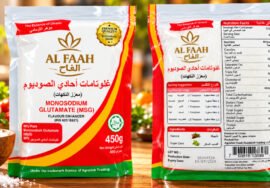
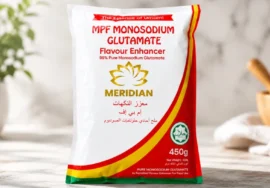
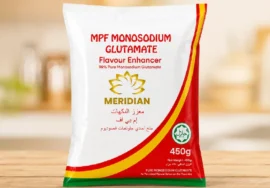
A reliable monosodium glutamate product should have clean, uniform crystals and professional packaging. The label should clearly identify the product, manufacturer or distributor, net weight, batch number and storage information.
Buyers should avoid unlabelled or poorly packed products, especially when purchasing for resale or commercial food production. Documentation should be verified before large orders are confirmed.
For branded Ajinomoto products, buyers should purchase through trustworthy suppliers and check the authenticity of the packaging. This reduces the risk of counterfeit, damaged or improperly stored stock.
Storage and Handling Guidelines
Monosodium glutamate is generally stable when stored correctly. Moisture is one of the main concerns because it may cause the crystals to clump.
For proper storage:
- Keep the product in a dry and well-ventilated place.
- Protect it from direct sunlight and excessive heat.
- Seal opened packaging tightly.
- Use clean, dry utensils when removing the product.
- Follow a first-expiry, first-out inventory system.
- Keep food products away from chemicals and strong odours.
Commercial buyers should also inspect packaging on arrival and report any damaged, wet or contaminated bags immediately.
Monosodium Glutamate Labelling
Food businesses must declare ingredients according to the regulations of the market where the final product is sold. Depending on local requirements, MSG may appear on an ingredient list as monosodium glutamate, MSG, flavour enhancer or by its approved additive identification number.
In many markets, monosodium glutamate is associated with the additive number E621 or INS 621. Exact labelling requirements can differ between countries, so manufacturers and importers should confirm the latest rules with the relevant food authority.
Ajinomoto should only be used as a brand reference when the product is genuinely supplied under that brand. Generic monosodium glutamate should not be marketed as Ajinomoto without authorization.
Frequently Asked Questions About Monosodium Glutamate Ajinomoto
Is Ajinomoto the same as MSG?
AJI-NO-MOTO® is a branded seasoning whose main ingredient is monosodium glutamate. Ajinomoto is a brand name, while MSG is the general name of the flavour-enhancing ingredient.
What does monosodium glutamate taste like?
MSG provides umami, a savoury taste that adds depth and fullness to food. It is not simply salty, sweet, sour or bitter.
Can MSG be used in homemade food?
Yes. It may be used in soups, rice dishes, meat recipes, vegetables, sauces, noodles and marinades. Only a small measured amount is normally needed.
Is MSG only used in Chinese food?
No. MSG is used in many cuisines and in a wide variety of packaged foods, restaurant recipes, stock powders, seasoning mixes and savoury snacks.
Does MSG expire?
MSG has a long shelf life when stored in suitable conditions. Buyers should follow the expiry or best-before date shown on the original package.
Is monosodium glutamate suitable for halal food?
Pure MSG may be suitable for halal food production, but businesses should verify the raw materials, production process and certification of the specific product. Where halal certification is required, buyers should request valid documentation from the supplier.
Can MSG replace all the salt in a recipe?
No. MSG and salt provide different tastes. MSG can support reduced-sodium recipes, but complete replacement may produce an unbalanced result. Recipes should be tested carefully.
Can wholesalers buy MSG in bulk?
Yes. Monosodium glutamate is commonly available in retail, food-service and industrial packaging. Buyers should confirm the minimum order quantity, product specifications and import requirements with their supplier.
Why Businesses Choose Monosodium Glutamate
Food businesses choose MSG because it is versatile, easy to measure and effective in a wide range of savoury applications. It can help manufacturers develop balanced seasoning blends, support restaurants in maintaining consistent recipes and provide wholesalers with a product that serves several market segments.
Potential customers include:
- Restaurants
- Hotels
- Catering companies
- Cloud kitchens
- Snack manufacturers
- Spice and seasoning companies
- Soup and stock producers
- Meat-processing companies
- Supermarkets
- Grocery wholesalers
- Food-service distributors
Successful distribution depends on reliable supply, competitive pricing, authentic products, suitable pack sizes and clear information for customers.
Final Thoughts
Monosodium glutamate Ajinomoto is widely used to enhance the savoury, umami character of food. MSG is the sodium salt of glutamic acid, a substance naturally found in many foods and in the human body. Modern MSG is generally produced through fermentation and is used in home kitchens, restaurants and food manufacturing.
When purchased from a reliable supplier and used in an appropriate quantity, MSG can improve flavour balance and recipe consistency. Buyers should still review product specifications, certification, labelling and storage requirements before purchasing, especially for commercial use.
Alturab Foodstuff Trading provides food products and distribution solutions for retailers, wholesalers, restaurants and HoReCa customers. For product availability, bulk orders and distribution enquiries, contact Alturab Foodstuff Trading through the official website.
Disclaimer: This article is provided for general educational and commercial information. It is not medical advice. Individuals with specific dietary concerns, allergies or health conditions should consult a qualified healthcare professional.