
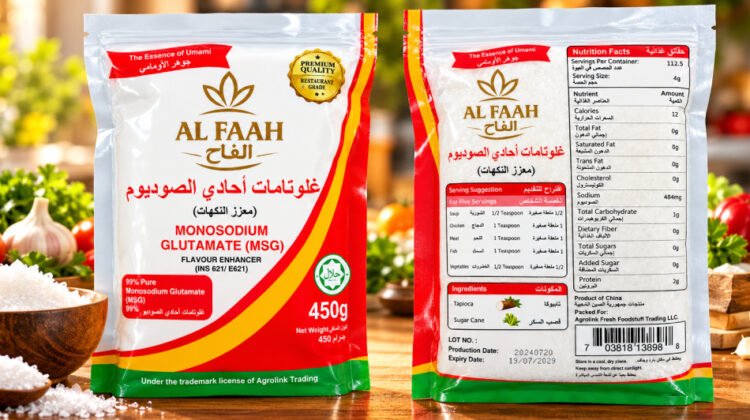
Ajinomoto Monosodium Glutamate
Ajinomoto Monosodium Glutamate, commonly known as MSG, is one of the best-known seasonings used to enhance savory flavor in food. From restaurant kitchens and catering operations to food manufacturing and everyday home cooking, monosodium glutamate is valued for its ability to bring out a rich, satisfying taste known as umami.
Although MSG has been used for more than a century, many consumers and food businesses still have questions about what it is, how it is produced, how it works, and how it can be used effectively. Understanding these basics can help buyers, chefs, restaurants, wholesalers, and food manufacturers make informed decisions about this widely used food ingredient.
What Is Ajinomoto Monosodium Glutamate?
Monosodium glutamate is the sodium salt of glutamic acid, an amino acid that occurs naturally in many foods. Glutamate is naturally present in ingredients such as tomatoes, mushrooms, meat, fish, and cheese. It contributes to the savory taste that makes many dishes rich and satisfying.
AJI-NO-MOTO is a well-known MSG umami seasoning introduced in Japan in 1909. Its history is closely connected with the scientific identification of umami, which is now recognized alongside sweet, sour, salty, and bitter as a basic taste.
What Is Umami?
Umami can be described as a deep, savory and mouth-filling taste. It is naturally associated with many foods that people already enjoy, including tomatoes, aged cheeses, mushrooms, meat broths, seafood, and fermented foods.
In 1908, Japanese scientist Dr. Kikunae Ikeda studied kombu broth and identified glutamate as responsible for its distinctive savory taste. He called this taste umami. This discovery eventually led to the development of a convenient seasoning based on monosodium glutamate.
Today, umami is important in cuisines around the world. MSG provides a practical way for professional and home cooks to add or strengthen this savory dimension without changing the fundamental character of a recipe.
How Does MSG Enhance Food Flavor?
MSG primarily contributes umami. When incorporated appropriately into savory dishes, it can complement the existing flavors of ingredients and make the overall taste more rounded and satisfying.
This is why monosodium glutamate is commonly associated with soups, stocks, sauces, noodles, rice dishes, meat recipes, vegetable dishes, snacks, seasoning blends, and many processed foods. It does not need to dominate a recipe. Instead, its role is generally to support the savory characteristics already present in the food.
How Is Monosodium Glutamate Produced?
Modern MSG is commonly manufactured through fermentation. Plant-derived raw materials containing sugars, such as sugarcane, sugar beet, cassava, or corn, can be used as starting materials.
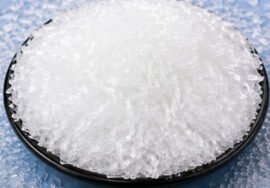
During production, microorganisms convert sugars into glutamic acid through fermentation. The resulting material is then processed, purified, crystallized, and dried to produce monosodium glutamate crystals.
The principle of fermentation is familiar throughout the food industry. Fermentation processes are also involved in producing foods and ingredients such as yogurt, soy sauce, bread, and other traditional products, although the specific microorganisms and production conditions vary.
What Does Ajinomoto MSG Taste Like?
MSG provides an umami taste rather than simply making food sweeter or saltier. On its own, its sensory effect is different from common table salt. Its real value becomes particularly noticeable when it is incorporated into suitable savory recipes.
When used in an appropriate quantity, MSG can help strengthen savory notes and create a more balanced flavor profile. This makes it useful for chefs and food manufacturers seeking consistent taste across batches and recipes.
Common Uses of MSG in Cooking
Monosodium glutamate is highly versatile. It can be incorporated into soups and broths to deepen savory character, while sauces and gravies can benefit from additional umami complexity. Rice, noodles, vegetables, meat, poultry, seafood, and many other savory dishes can also be seasoned with MSG.
In commercial food preparation, MSG may be incorporated into spice blends, seasoning powders, marinades, snack seasonings, instant foods, frozen foods, sauces, and other formulated products. The exact quantity should always be determined according to the recipe, product formulation, applicable regulations, and desired taste.
MSG for Restaurants and Catering Businesses
Restaurants and catering companies often need to produce large quantities of food while maintaining a consistent flavor experience. Seasoning ingredients such as MSG can help professional kitchens standardize recipes and develop recognizable savory profiles.
For chefs, the advantage is flexibility. MSG can be incorporated into many types of cuisine rather than being limited to one cooking tradition. It can complement Asian dishes, Middle Eastern recipes, soups, grilled foods, sauces, meat preparations, vegetable dishes, and many other savory menu items.
Commercial buyers should select food-grade MSG from reliable suppliers and ensure that storage, labeling, handling, and usage follow applicable food regulations and manufacturer instructions.
MSG in Food Manufacturing
Food manufacturers require ingredients that deliver predictable performance at commercial scale. Monosodium glutamate is widely recognized in the food industry as a flavor enhancer and umami seasoning that can be incorporated into formulated savory products.
Potential applications include seasoning mixes, savory snacks, instant noodles, soups, sauces, marinades, frozen foods, meat products, and ready-to-cook or ready-to-eat foods. Manufacturers should determine appropriate inclusion levels through product development and sensory testing while meeting the food regulations of the market where the finished product will be sold.
Is MSG the Same as Salt?
No. MSG and table salt are different ingredients. Table salt is sodium chloride, whereas MSG is the sodium salt of glutamic acid. Both contain sodium, but their chemical composition and contribution to taste are different.
According to Ajinomoto, MSG contains approximately 12 percent sodium compared with about 39 percent sodium in table salt. Because MSG contributes umami, research and product development have explored its use as one tool for maintaining palatability in some lower-sodium food formulations. However, the total sodium content of a finished meal depends on all of its ingredients and the quantities used.
Is Monosodium Glutamate Safe?
MSG has been extensively evaluated as a food ingredient. The U.S. Food and Drug Administration considers added MSG to be generally recognized as safe. Major health information sources also note that research has not established a clear link between MSG and the symptoms that have historically been attributed to it under normal dietary conditions.
Some individuals report short-term symptoms after consuming MSG, particularly in certain circumstances or amounts. Anyone who believes a particular food ingredient causes a personal reaction should discuss the issue with an appropriate healthcare professional and check food labels carefully.
As with other food ingredients and seasonings, MSG should be used appropriately and as part of an overall balanced diet.
Natural Glutamate and Added MSG
One reason MSG can be misunderstood is that glutamate itself is not unusual in the human diet. It occurs naturally in numerous everyday foods. Tomatoes, mushrooms, cheeses, meat, fish, and other ingredients can contain naturally occurring glutamate and contribute umami to meals.
MSG provides glutamate in a convenient seasoning form. This makes it possible for cooks and food developers to adjust umami more precisely rather than relying exclusively on naturally glutamate-rich ingredients.
Why Is MSG Popular in Professional Kitchens?
Professional kitchens place a high value on flavor consistency. Customers expect a favorite dish to taste similar each time they order it, even when a restaurant prepares hundreds of portions every day.
Using standardized ingredients, recipes, measurements, and cooking procedures helps achieve this consistency. MSG can form part of such a system by providing a measurable source of umami that can be incorporated into a standardized recipe.
It can also be particularly useful in high-volume environments such as hotels, catering kitchens, central kitchens, cafeterias, restaurants, and food production facilities where consistency between batches is commercially important.
How to Store Monosodium Glutamate
MSG should generally be kept in a clean, cool, dry environment and protected from moisture. After opening, packaging should be properly closed or the product transferred to an appropriate food-grade container where necessary.
Restaurants, wholesalers, distributors, and food manufacturers should follow the storage instructions provided on the product packaging. Commercial users should also maintain good stock rotation and proper food-storage practices.
Choosing MSG for Wholesale and Commercial Use
Businesses purchasing MSG in commercial quantities should look beyond price alone. Product specifications, food-grade quality, packaging condition, traceability, labeling, shelf life, supplier reliability, and regulatory compliance are important considerations.
Importers and distributors should also verify documentation according to the requirements of their destination market. Restaurants and food manufacturers may require different pack sizes depending on consumption volume, storage capacity, and production needs.
Ajinomoto MSG and the Global Food Industry
Since the introduction of AJI-NO-MOTO in 1909, MSG has become an internationally recognized seasoning. Its continued use reflects the importance of umami in food preparation and the demand for practical ways to develop savory flavor.
Today, MSG is relevant across several levels of the food supply chain, from household kitchens to restaurants, catering companies, wholesalers, distributors, and industrial food manufacturers. Different businesses may use different brands or specifications, but the underlying purpose remains similar: adding controlled umami flavor to suitable food applications.
Frequently Asked Questions About Ajinomoto Monosodium Glutamate
What is Ajinomoto MSG used for?
Ajinomoto MSG is an umami seasoning used to enhance savory flavor. It can be incorporated into soups, sauces, rice, noodles, vegetables, meat dishes, seafood, seasoning blends, snacks, and many other savory foods.
Is MSG the same as Ajinomoto?
MSG is the abbreviation for monosodium glutamate, which is a type of food ingredient. AJI-NO-MOTO is a well-known brand of MSG umami seasoning. Therefore, the terms are related but are not technically interchangeable as generic names.
Does MSG contain glutamate?
Yes. Monosodium glutamate is the sodium salt of glutamic acid and provides glutamate, which is responsible for the umami taste.
Does MSG contain sodium?
Yes. MSG contains sodium, although its sodium concentration by weight is lower than that of ordinary table salt. Total dietary sodium should still be considered when planning meals or developing food products.
Can restaurants use MSG?
MSG is commonly used in commercial food preparation where permitted by applicable food regulations. Restaurants should follow local requirements regarding food ingredients, labeling where applicable, and responsible food preparation.
Can MSG be used in food manufacturing?
Yes. Monosodium glutamate has applications across many categories of manufactured savory foods. Food producers should establish the appropriate formulation through professional product development and ensure compliance with regulations for the target market.
Final Thoughts on Ajinomoto Monosodium Glutamate
Ajinomoto Monosodium Glutamate has played an important role in the history and development of umami seasoning. More than a century after the identification of umami, MSG continues to be used in home kitchens, restaurants, catering operations, and food manufacturing around the world.
Its main function is straightforward: providing glutamate that contributes a savory umami taste and can complement the existing flavors of food. Understanding what MSG is, how it is produced, how it differs from salt, and how it can be incorporated into food allows consumers and businesses to make better-informed choices.
For food businesses, restaurants, wholesalers, distributors, and manufacturers, selecting reliable food-grade ingredients and following appropriate storage, formulation, labeling, and regulatory practices are essential. When used thoughtfully within a well-designed recipe, MSG can be a practical tool for developing consistent and satisfying savory flavor.