
Monosodium Glutamate (MSG): A Comprehensive Guide to Uses, Benefits, Safety and Food Applications
Monosodium Glutamate, commonly known as MSG, is one of the world’s most widely recognized flavor enhancers. From restaurant kitchens and catering operations to packaged foods, seasoning blends and large-scale food manufacturing, MSG is valued for its ability to strengthen savory taste and deliver the distinctive flavor sensation known as umami.
Despite its widespread use, Monosodium Glutamate is also an ingredient that is frequently misunderstood. Consumers may have questions about what MSG is made from, whether glutamate occurs naturally in food, how MSG works, whether it contains gluten, how it should be used and what food-safety authorities say about it.
This comprehensive guide explains Monosodium Glutamate in practical terms for consumers, chefs, restaurants, wholesalers, distributors and food businesses. It also explores the role of food-grade MSG in the UAE and wider GCC food sector, where restaurants, catering companies, food processors and wholesalers require consistent ingredients for high-volume operations.
What Is Monosodium Glutamate?
Monosodium Glutamate is the sodium salt of glutamic acid. Glutamic acid is an amino acid that occurs naturally in the human body and in many common foods. When glutamic acid is present in its free form, it can contribute to the savory taste associated with umami.
MSG is commonly identified internationally as INS 621 or E621. Its primary function in food is as a flavor enhancer. It does not simply make food salty or spicy. Instead, it enhances savory characteristics that are already present in a recipe or food product.
This is why MSG can be used in a wide variety of applications. It may be found in seasoning mixtures, soups, sauces, stocks, noodles, snacks, processed foods and savory prepared meals. Restaurants and commercial kitchens may also use it as part of their seasoning systems.
What Is Glutamate?
Understanding glutamate makes it much easier to understand MSG. Glutamate is associated with glutamic acid, an amino acid naturally found in many foods containing protein. It is therefore not an unfamiliar substance created solely for processed food.
Foods naturally associated with glutamate include tomatoes, cheeses, mushrooms and various protein-rich foods. Fermentation, aging and cooking can also influence the development and availability of savory compounds in food.
According to the U.S. Food and Drug Administration, the glutamate present in MSG is chemically indistinguishable from glutamate found naturally in food. Once consumed, the body handles glutamate from these sources through the same fundamental metabolic processes.
What Is Umami?
Umami is generally described as a savory or deeply satisfying taste. Alongside sweet, sour, salty and bitter, it is recognized as one of the basic tastes.
Umami is especially noticeable in foods such as ripe tomatoes, aged cheeses, mushrooms, broths, meats and fermented products. These foods can produce a rich and rounded savory sensation that is different from saltiness alone.
MSG is useful because glutamate activates taste receptors associated with umami. When it is added appropriately to a savory recipe, it can help make the overall flavor fuller and more balanced.
A Brief History of MSG
The modern history of Monosodium Glutamate dates to Japan in the early twentieth century. Japanese scientist Kikunae Ikeda studied the distinctive savory quality of a traditional seaweed broth and identified glutamate as an important contributor to its taste.
In 1908, Ikeda isolated glutamate and connected it with the savory taste that became known as umami. Commercial production of MSG began shortly afterward.
Although MSG as a commercial ingredient is relatively modern, people have been consuming glutamate-rich foods for centuries through vegetables, cheeses, fermented products, broths and other naturally savory foods.
How Is Monosodium Glutamate Made?
Early production methods were connected with extracting glutamate from naturally glutamate-rich materials. Modern commercial MSG, however, is generally manufactured using fermentation.
According to the FDA, raw materials used in MSG production can include starch, sugar beet, sugar cane or molasses. Microorganisms are used during fermentation to convert suitable carbohydrate sources into glutamic acid. The glutamic acid is subsequently processed with sodium to produce Monosodium Glutamate, which can then be purified and crystallized.
The broad concept of fermentation is familiar throughout the food industry. Fermentation is also involved in producing foods such as yogurt and vinegar, although the microorganisms, conditions and final products differ.
For commercial buyers, manufacturing consistency is particularly important. Food-grade MSG intended for professional use should come from qualified manufacturers and suppliers capable of providing appropriate specifications, traceability, packaging and documentation for the intended market.
What Does MSG Look Like?
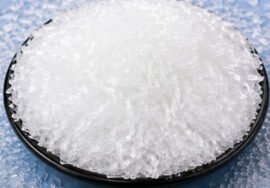
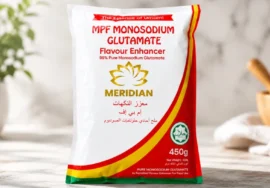
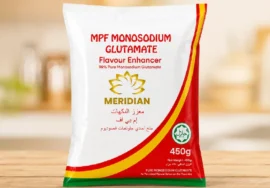
Food-grade Monosodium Glutamate is normally supplied as white crystalline material. Depending on the manufacturer’s specification and product grade, crystal size and physical characteristics may vary.
For food-service and industrial users, factors such as purity, particle size, packaging integrity, storage conditions and batch consistency can be important purchasing considerations.
Why Is MSG Used in Food?
The principal reason for using MSG is flavor enhancement. It can strengthen savory and umami characteristics without changing a recipe into an entirely different flavor profile.
In commercial food production, achieving consistent taste across hundreds or thousands of servings is essential. Carefully standardized seasoning ingredients can help restaurants and manufacturers maintain flavor consistency from one production batch to another.
MSG can be particularly effective in savory formulations containing ingredients such as meat, poultry, vegetables, sauces, stocks, seasonings and fermented ingredients.
Common Applications of Monosodium Glutamate
Restaurants and Commercial Kitchens
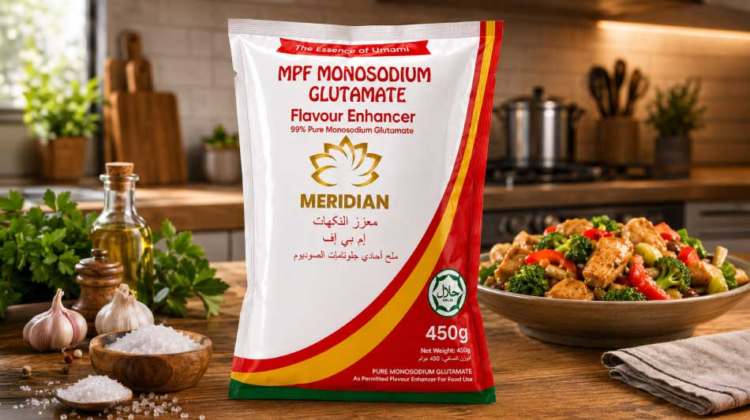
Restaurants can use MSG as part of a controlled seasoning system for selected savory dishes. It can be incorporated into marinades, soups, gravies, sauces, fried-food seasoning, meat preparations and vegetable dishes.
For restaurants producing large quantities of food every day, consistency matters. Standardized recipes and controlled MSG usage can help kitchen teams maintain a similar flavor profile across shifts and branches.
Hotels and Catering Companies
Hotels, institutional kitchens and catering businesses often prepare food in significant volumes. MSG can be incorporated into carefully measured recipes for soups, sauces, rice dishes, meat preparations and other savory menu items.
Professional kitchens should always follow internal recipes, applicable food regulations and the manufacturer’s recommended usage guidance.
Seasoning Blends
MSG is widely suited to dry seasoning applications. Depending on the formulation, it can be combined with salt, herbs, spices and other approved flavoring ingredients to create consistent seasoning systems.
Such blends may be designed for restaurants, snack manufacturers, food processors, meat applications or retail consumers.
Soups and Stocks
Soups, broths and stocks are natural candidates for umami enhancement. These products often contain vegetables, meat extracts, herbs or spices that already contribute savory characteristics.
Appropriate MSG use can complement these ingredients and help create a fuller flavor profile.
Sauces and Gravies
Commercial sauces and gravies often rely on carefully balanced combinations of salt, sweetness, acidity, spices and savory ingredients. MSG can contribute to the savory portion of that flavor system.
Snack Foods
Many savory snack formulations require a strong and consistent seasoning profile. Depending on the product and local regulatory requirements, MSG may be included in seasoning blends for chips, crackers, extruded snacks and other savory products.
Instant Noodles
Instant noodle seasoning is another common application. Seasoning sachets may combine salt, spices, vegetables, flavorings and flavor enhancers to produce a recognizable broth or sauce profile.
Meat and Poultry Products
MSG can be used in suitable processed meat and poultry formulations where regulations permit. It can complement the natural savory characteristics of meat and other ingredients in the recipe.
Rice and Noodle Dishes
Restaurants and catering operations may use MSG in selected rice and noodle preparations, particularly when recipes depend on a pronounced savory flavor.
Vegetable Dishes
Umami is not limited to meat. Tomatoes, mushrooms and many prepared vegetable dishes can deliver significant savory character. MSG may complement these ingredients in suitable recipes.
MSG and Salt: Are They the Same?
No. MSG and ordinary table salt are different ingredients.
Table salt is primarily sodium chloride, whereas MSG is the sodium salt of glutamic acid. Both contain sodium, but their chemical composition and sensory functions differ.
Salt mainly contributes saltiness. MSG primarily contributes or enhances umami and savory perception. In food formulation, they may be used together because they perform different sensory roles.
MSG should therefore not automatically be treated as a direct one-for-one replacement for salt. Professional product development requires consideration of the entire formulation, including sodium targets, flavor objectives, processing conditions and serving size.
Does MSG Contain Gluten?
Glutamate and gluten are different substances despite the similarity of their names.
Glutamate is related to glutamic acid, an amino acid. Gluten is a group of proteins naturally present in grains such as wheat, barley and rye.
The FDA specifically notes that glutamate or glutamic acid has nothing to do with gluten. However, consumers who need to avoid gluten should still check the complete ingredient list and allergen information of a finished food product because other ingredients in the product may contain gluten.
Is Monosodium Glutamate Safe?
MSG has been evaluated by major food-safety authorities and scientific bodies. In the United States, the FDA considers the addition of MSG to foods to be generally recognized as safe, commonly referred to as GRAS.
The Joint FAO/WHO Expert Committee on Food Additives, or JECFA, lists Monosodium L-glutamate as INS 621 and classifies it functionally as a flavor enhancer. JECFA established a group acceptable daily intake described as “not specified” for glutamic acid and several of its salts, including Monosodium Glutamate.
The European Food Safety Authority has also evaluated glutamic acid and glutamates E620 through E625. Its 2017 re-evaluation established a group acceptable daily intake of 30 milligrams per kilogram of body weight per day, expressed as glutamic acid. This illustrates why statements about MSG safety should be made in the context of the relevant authority, market, exposure level and regulatory framework rather than relying on oversimplified claims.
Food businesses should comply with the rules applicable to the country where their products are manufactured, imported, distributed or sold.
What About Reported MSG Sensitivity?
MSG has sometimes been associated in public discussion with symptoms such as headache, flushing, tingling or nausea. However, the evidence surrounding these reports is more nuanced than many popular claims suggest.
The FDA states that researchers have not been able to consistently reproduce reported reactions in people identifying themselves as sensitive when MSG and placebo were tested under controlled conditions.
The FDA also notes that an independent scientific review identified the possibility of short-term, generally mild symptoms in some sensitive individuals consuming three grams or more of MSG without food. The agency points out that a typical serving of food containing added MSG generally contains considerably less than this amount.
Individual dietary responses can vary. Anyone who believes a particular ingredient repeatedly causes symptoms should discuss those concerns with an appropriately qualified healthcare professional rather than relying only on general information online.
Natural Glutamate Versus Added MSG
A common misconception is that naturally occurring glutamate and the glutamate supplied by MSG are completely different substances.
Glutamate naturally occurs in many foods. When MSG dissolves, it separates into sodium and glutamate. The glutamate can then interact with umami taste receptors in the same general way as free glutamate originating from food ingredients.
This does not mean that every food containing glutamate tastes identical. Taste is affected by hundreds of compounds, including sugars, acids, fats, aromas, minerals, spices and other amino acids. Glutamate is simply one important component of savory flavor.
Foods Naturally Rich in Savory Glutamate
Tomatoes are a familiar example of a naturally savory plant food. As tomatoes ripen, their combination of sweetness, acidity and savory compounds helps create their characteristic flavor.
Aged cheeses are another classic source of strong umami character. Mushrooms can also contribute deep savory notes, particularly after cooking.
Meat, seafood, fermented foods and certain broths may also provide rich umami characteristics as a result of their naturally occurring compounds and preparation methods.
This helps explain why umami is present in cuisines around the world, even in recipes where commercial MSG is never added.
How to Use MSG in Cooking
MSG should be viewed as one component of a complete seasoning strategy rather than a substitute for good ingredients or proper cooking.
The ideal quantity depends on the recipe, serving size, other seasonings and desired taste. A formulation containing salty sauces, stock powder or other seasoning ingredients may require a different amount than a simple vegetable soup.
For commercial food preparation, businesses should develop standardized recipes and measure ingredients consistently. Adding excessive amounts is not a reliable way to improve taste. Flavor enhancement works best when saltiness, acidity, sweetness, aroma, spices and umami are balanced.
When Should MSG Be Added?
In many recipes, MSG can be incorporated with other seasonings during cooking or blending. For dry seasoning products, it can be mixed with other dry ingredients according to the formulation.
In industrial applications, the correct stage of addition depends on the manufacturing process, product type and technical specification. Food manufacturers should validate their formulations through controlled trials rather than relying on a universal recipe.
Benefits of MSG for Restaurants and Food Businesses
Enhanced Savory Taste
The primary commercial advantage of MSG is its ability to support a stronger umami profile. This can help savory foods deliver a fuller taste experience.
Recipe Consistency
Restaurants with multiple cooks or branches need repeatable recipes. Standardized seasoning systems can reduce variations in taste between batches.
Versatile Applications
Food-grade MSG can be used across many appropriate savory applications, allowing wholesalers and food-service operators to serve diverse customer categories.
Compatibility with Seasoning Systems
MSG can work alongside salt, spices, herbs and other approved ingredients. This makes it useful when developing custom seasoning blends.
Scalability
An ingredient used in a small restaurant recipe can also be incorporated into larger catering or manufacturing formulations when appropriate controls and specifications are applied.
MSG for the Food Industry
Industrial food manufacturing requires more than good taste. Manufacturers need ingredients that meet technical specifications and provide consistency between production batches.
When purchasing food-grade MSG for industrial applications, procurement teams may consider purity, crystal size, solubility, country of origin, manufacturer credentials, batch documentation, shelf life, packaging configuration and compliance with applicable regulations.
Technical evaluation is especially important when the MSG will be incorporated into a branded finished product because a change in raw material characteristics can potentially affect manufacturing or sensory consistency.
Monosodium Glutamate in the UAE Food Market
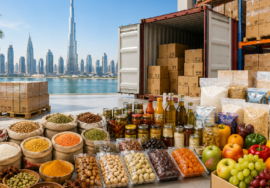
The UAE has a highly diverse food-service sector serving residents and visitors from many culinary backgrounds. Restaurants, hotels, catering companies, central kitchens, food manufacturers and wholesalers collectively create demand for a broad range of seasonings and food ingredients.
For an MSG supplier in the UAE, the market can therefore include much more than traditional restaurants. Potential business customers may include food processors, seasoning manufacturers, wholesalers, distributors, catering companies, cloud kitchens and institutional food-service operations.
Dubai’s position as a regional trading and logistics hub also makes the UAE important for companies serving wider GCC and international markets.
Who Buys MSG in Bulk?
Bulk MSG buyers can include food wholesalers, ingredient distributors, restaurants, catering businesses, hotels, central kitchens, snack manufacturers, noodle manufacturers, seasoning companies, sauce producers, meat processors and other food manufacturers.
The exact requirements of each customer are different. A restaurant may prioritize practical pack sizes and reliable delivery, while an industrial manufacturer may require detailed specifications, batch traceability and larger supply volumes.
How to Choose an MSG Supplier in UAE
Selecting an MSG supplier should involve more than comparing the lowest price. Reliable supply, quality consistency and appropriate documentation can be equally important.
Check Product Specifications
Professional buyers should request relevant specifications before purchasing. These may include product description, ingredient information, physical characteristics, storage instructions and other quality parameters appropriate to the intended use.
Confirm Food-Grade Suitability
MSG intended for food use should be food grade and appropriate for the target application and market.
Evaluate Packaging
Packaging should protect the ingredient from moisture, contamination and damage during storage and transportation. Buyers should check that bags or cartons arrive properly sealed and clearly identified.
Review Traceability
Batch or lot identification supports traceability throughout the supply chain. This is particularly important for manufacturers, distributors and professional food-service businesses.
Consider Supply Reliability
For high-volume users, continuity of supply can be as important as unit price. Running out of a core seasoning ingredient may interrupt production or require recipe changes.
Check Storage and Delivery Capabilities
A dependable supplier should understand appropriate handling and storage requirements and maintain the product in suitable conditions until delivery.
How Should MSG Be Stored?
MSG should generally be kept in a cool, dry place and protected from moisture. Commercial buyers should follow the storage conditions stated by the manufacturer on the product specification or packaging.
Once packaging has been opened, good handling practices become especially important. Containers or bags should be securely closed to minimize exposure to moisture and contamination.
Food businesses should also follow suitable stock-rotation procedures, maintain clean storage areas and monitor batch information and expiry or best-before information as applicable.
Understanding E621
E621 is the European food-additive designation commonly associated with Monosodium Glutamate. The corresponding International Numbering System designation is INS 621.
Seeing E621 or INS 621 on a specification or label therefore does not indicate a completely different ingredient from MSG. It is a standardized identification for Monosodium Glutamate within relevant food-additive systems.
MSG Labeling and Transparency
Food labeling requirements vary by jurisdiction. Businesses should always follow the regulations of the market where the finished food will be sold.
In the United States, for example, the FDA requires added MSG to be declared in the ingredient list as “monosodium glutamate.” Other markets may use different labeling conventions under their respective food laws.
Importers, manufacturers and private-label companies in the UAE and GCC should verify applicable requirements before printing commercial packaging. This can include ingredient declarations, language requirements, nutrition information, allergen statements, country-of-origin information and other mandatory labeling elements depending on the product and jurisdiction.
Common Myths About MSG
Myth: MSG and Gluten Are the Same Thing
They are not. Glutamate is an amino-acid-related substance, while gluten refers to proteins found in certain grains.
Myth: MSG Creates Every Flavor in a Dish
MSG mainly supports umami. It cannot replace fresh ingredients, herbs, spices, acidity, aroma or good cooking technique.
Myth: More MSG Always Means Better Taste
Flavor has an optimum balance. Excessive seasoning of any kind can make a dish less enjoyable. Professional food preparation depends on controlled quantities and recipe testing.
Myth: Glutamate Exists Only in MSG
Glutamate occurs naturally in many foods. Commercial MSG is one way of adding glutamate to a recipe, but it is far from the only dietary source.
Myth: MSG Is the Same as Ordinary Salt
MSG and sodium chloride are chemically and functionally different. MSG primarily contributes umami, whereas table salt primarily contributes saltiness.
MSG for Restaurants, HoReCa and Catering
The HoReCa sector—hotels, restaurants and catering—is an important market for professional seasoning ingredients. Businesses in this sector typically need consistent quality, competitive wholesale pricing and dependable delivery.
Restaurants may use MSG in selected soups, sauces, marinades, meat preparations, rice dishes, noodle dishes and seasoning blends. Catering businesses may require larger quantities because of the volume of meals produced daily.
For suppliers, serving HoReCa successfully requires more than simply keeping inventory. Customers value dependable deliveries, clear product information, practical pack sizes and responsive service.
MSG for Wholesalers and Distributors
Wholesalers occupy an important position between manufacturers or importers and thousands of smaller food businesses.
A wholesale MSG business may serve grocery wholesalers, restaurant suppliers, catering suppliers, seasoning traders and food manufacturers. Depending on the market, distributors may purchase full pallets or larger quantities and then supply individual customers according to their requirements.
Competitive pricing matters in wholesale markets, but sustainable distribution also depends on stock availability, product consistency, logistics and customer relationships.
What Professional Buyers Should Ask Before Purchasing MSG
Before placing a commercial order, buyers should confirm the exact product specification and intended application. Important questions can include whether the product is food grade, what packaging sizes are available, where it was manufactured, what storage conditions are required and what supporting documentation can be provided.
Industrial customers may also want to discuss minimum order quantities, pallet configuration, lead times, batch consistency and supply capacity.
Asking these questions early can reduce misunderstandings and help procurement teams compare suppliers on a like-for-like basis.
Why Quality Matters in Bulk MSG Supply
A commercial food business depends on consistency. If an ingredient changes significantly between batches, the finished product may also change.
Quality control therefore becomes increasingly important as purchasing volume grows. Professional buyers should establish specifications and incoming-goods procedures suitable for their operation.
Supplier relationships should ideally be built around clear expectations regarding product quality, packaging, documentation, delivery and communication.
Responsible Use of MSG
MSG should be used as part of a balanced food formulation and according to applicable regulations and manufacturer recommendations.
Its purpose is not to hide poor-quality ingredients or replace proper culinary techniques. The strongest food products combine appropriate ingredients, controlled processing, effective seasoning and good food-safety practices.
Restaurants and manufacturers should also maintain accurate recipes. This improves flavor consistency while helping businesses manage ingredient costs and product specifications.
Frequently Asked Questions About Monosodium Glutamate
What does MSG stand for?
MSG stands for Monosodium Glutamate, the sodium salt of glutamic acid used primarily as a flavor enhancer.
What is E621?
E621 is the food-additive designation associated with Monosodium Glutamate in the European numbering system. MSG is also identified as INS 621 internationally.
What does MSG taste like?
MSG is primarily associated with umami, a savory taste. Its greatest value usually comes from how it interacts with the other flavors in a prepared food rather than from tasting it alone.
Is glutamate naturally present in food?
Yes. Glutamate occurs naturally in many foods, including tomatoes, cheeses, mushrooms and protein-containing foods.
Is MSG the same as gluten?
No. MSG and gluten are unrelated. People following gluten-free diets should nevertheless check the complete ingredients and allergen information of finished food products.
Is MSG the same as salt?
No. Table salt is primarily sodium chloride. MSG is the sodium salt of glutamic acid and is primarily used to enhance umami.
How is modern MSG manufactured?
Modern commercial MSG is commonly produced through fermentation of carbohydrate-containing raw materials such as starch, sugar beet, sugar cane or molasses, followed by processing and crystallization.
Can restaurants use MSG?
MSG can be used in restaurant food where permitted by applicable regulations. Restaurants should follow appropriate recipes and food-safety requirements.
Can MSG be used in vegetarian foods?
MSG can be incorporated into suitable vegetarian formulations, but the suitability of any specific commercial product should be confirmed from its manufacturer or supplier when certification or particular dietary requirements are important.
Where should MSG be stored?
It should generally be stored in a cool, dry environment, protected from moisture and contamination, and according to the manufacturer’s instructions.
Who uses bulk MSG?
Bulk users may include restaurants, hotels, catering companies, seasoning manufacturers, food processors, wholesalers, distributors, snack manufacturers and other commercial food businesses.
Where can businesses source MSG in the UAE?
Businesses can source food-grade MSG through established food ingredient importers, wholesalers and distributors operating in the UAE. Commercial buyers should compare product specifications, packaging, documentation, supply reliability and pricing before selecting a supplier.
Monosodium Glutamate and the Future of Savory Food
Consumer tastes continue to evolve, but demand for flavorful, convenient and consistent food remains strong. Umami is an important part of that experience across numerous cuisines and food categories.
At the same time, consumers increasingly want to understand what is in their food. This makes accurate labeling, transparent product information and responsible communication important for manufacturers and suppliers.
Rather than relying on exaggerated claims either for or against MSG, food businesses can benefit from a fact-based approach: understand what the ingredient is, source it responsibly, use it appropriately and comply with the regulations of the target market.
Why Reliable Food Ingredient Supply Matters
For restaurants, catering companies and food manufacturers, ingredient procurement directly affects daily operations. A product can meet technical requirements and still create problems if deliveries are inconsistent or stock is frequently unavailable.
A dependable food ingredient supplier should therefore focus on product quality, competitive commercial terms, inventory planning, documentation and efficient logistics.
For buyers looking for MSG wholesale in UAE, the best long-term relationship is generally one that combines suitable product specifications with reliable service and transparent communication.
About Alturab Foodstuff Trading
Alturab Foodstuff Trading serves the UAE food market with a focus on foodstuff trading, import, distribution and wholesale supply. Working with restaurants, wholesalers, retailers, food-service businesses and other commercial buyers requires an understanding of both product quality and dependable supply-chain service.
Businesses searching for Monosodium Glutamate in UAE, food-grade MSG, bulk food ingredients or other foodstuff supply solutions can contact Alturab Foodstuff Trading to discuss current product availability, specifications, packaging options, wholesale requirements and commercial inquiries.
Conclusion
Monosodium Glutamate is a widely used flavor enhancer designed to strengthen umami and savory characteristics in food. Known as MSG, E621 or INS 621, it is the sodium salt of glutamic acid, an amino acid naturally associated with many everyday foods.
Modern MSG is commonly produced through fermentation and is used across restaurants, catering, seasoning production, sauces, soups, snacks, noodles and numerous other savory food applications.
Major food-safety authorities have evaluated glutamate and MSG, although regulatory approaches and guidance values can differ between jurisdictions. Businesses should therefore use food-grade ingredients responsibly, follow applicable regulations and maintain accurate product specifications and labeling.
For commercial buyers, choosing the right MSG supplier in UAE involves more than price. Product quality, consistency, traceability, packaging, documentation, inventory availability and reliable delivery all contribute to a successful long-term supply relationship.
As the UAE and GCC food industries continue to develop, Monosodium Glutamate remains a versatile ingredient for businesses seeking consistent savory flavor across professional food-service and manufacturing applications.