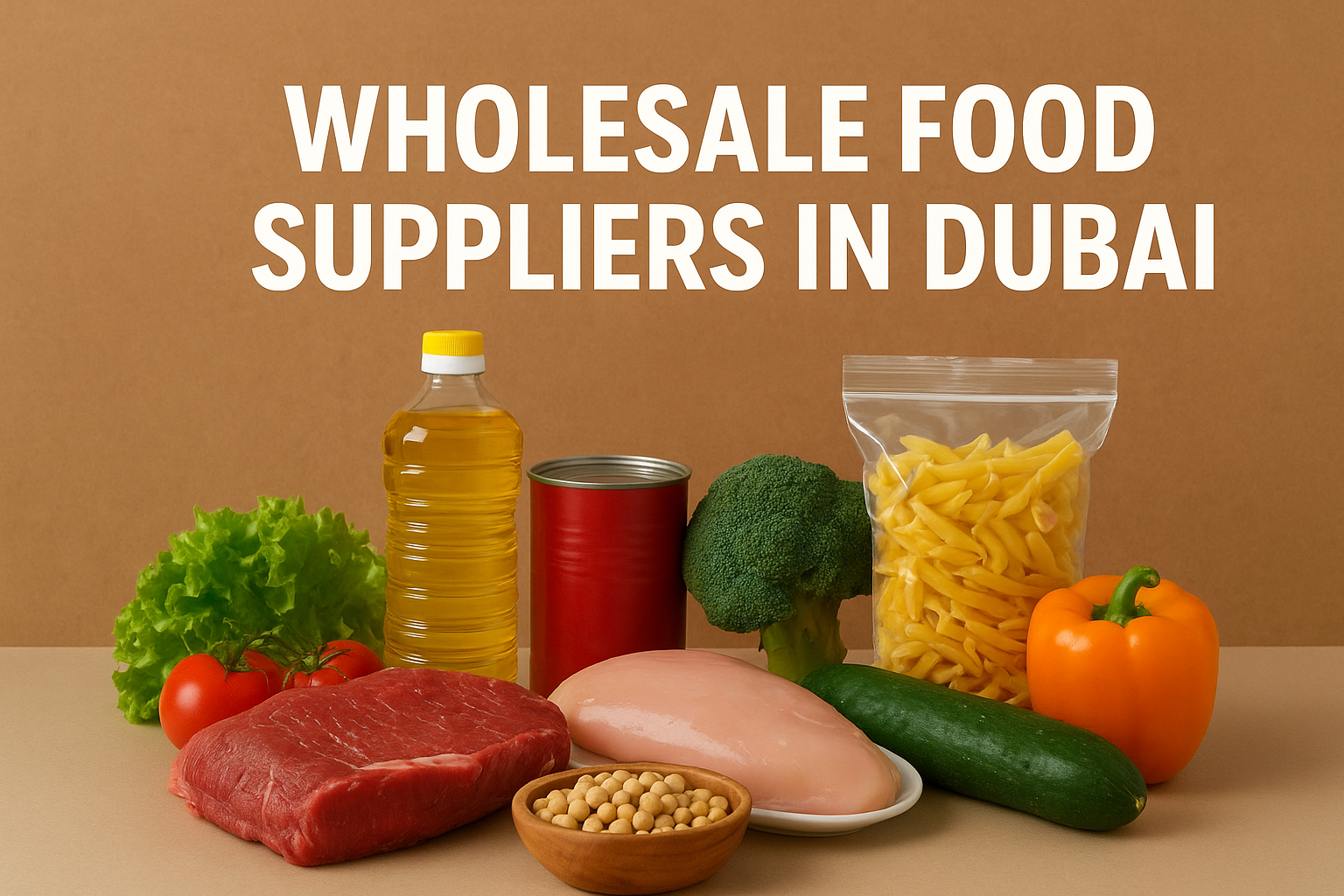

The Ultimate Guide to Sourcing wholesale food suppliers in Dubai
The Ultimate Guide to Sourcing wholesale food suppliers in dubai
Dubai is a regional trading hub where buyers can source almost anything—from tropical fruits to specialty spices and frozen seafood—at scale. This guide walks you step-by-step through how wholesale food suppliers in dubai operate, where to find them, what to inspect, negotiation tactics, and how to navigate major markets like Dragon Mart, the Central Fruit & Vegetable Market (Al Aweer) and the Waterfront/Deira markets.
What wholesale food suppliers in dubai do and why they matter
Wholesale food suppliers in Dubai buy, store, and distribute food in bulk to restaurants, caterers, retailers and re-exporters. They aggregate shipments (local and imported), often provide cold-chain logistics, and can offer branded or private-label products. Partnering with reliable suppliers reduces unit cost, simplifies inventory, and lets food businesses focus on operations rather than sourcing.
How to find trustworthy wholesale food suppliers in dubai
Online directories & B2B platforms — search UAE/ Dubai-specific directories and trade platforms to compile shortlists.
Market visits — walk the wholesale halls at Al Aweer (Central Fruit & Vegetable Market), Waterfront/Deira, and Dragon Mart to meet suppliers in person. The Central Fruit & Vegetable Market is the emirate’s main wholesale produce hub and is frequently used by chefs and retailers. Wikipedia+1
Trade shows & expos — attend F&B trade events and exhibitions in Dubai to meet certified distributors and manufacturers.
Referrals & chef networks — ask hospitality buyers and executive chefs; many share reliable supplier names for specialty or seasonal items.
Navigating Dubai’s major wholesale hubs — where to go
Al Aweer / Central Fruit & Vegetable Market — Dubai’s large wholesale produce market (also called Al Aweer) supplies a massive volume of fruit and veg daily and services thousands of wholesalers and retailers. It’s essential for fresh produce sourcing and for finding competitive pallet-priced offers.
Waterfront Market (Deira) — the modern waterfront complex in Deira (formerly the Deira fish market area) consolidates seafood, fruits, vegetables, meat and spices under one roof. It’s especially useful for seafood and mixed fresh goods.
Dragon Mart & specialized wholesale zones — Dragon Mart is known for international packaged food and imported dry goods (many Chinese and Asian importers have stands), useful for packaged snacks, canned items and specialty ingredients. It’s more retail/wholesale mix but a valuable sourcing point for non-perishables.
What to inspect when evaluating wholesale food suppliers in dubai
Licenses & approvals — confirm supplier trade license, Dubai Municipality food registration (importer/distributor approvals), and any product-specific permits. Dubai Municipality and the Food Safety Department set rules for food handling and import approvals. Dubai Municipality+1
Cold chain & storage — for fresh, frozen or chilled goods verify cold storage capacity, temperature logs and transport vehicles.
Quality & traceability — request certificates of analysis, origin documents, HACCP or ISO certificates where applicable, and sample batches.
Capacity & lead times — confirm their daily throughput, minimum order quantities (MOQs) and peak-season ability to supply.
Insurance & liability — check insurance for transit loss/damage and product-liability coverage.
Reputation & references — ask for client references (other restaurants, hotels or retailers) and check online reviews.
Practical negotiation tips with wholesale food suppliers in dubai
Buy in season & in bulk — timing purchases with seasonal supply brings the biggest per-unit savings.
Consolidate orders — combine similar categories into single monthly contracts for better pricing and reduced freight.
Agree clear payment terms — typical terms range from advance + credit (30 days) to cash on delivery; push for net-30 once trust is established.
Negotiate logistics — ask suppliers to include delivery, cold-chain handling and last-mile drops; sometimes slightly higher product price + included logistics is cheaper overall.
Request trial orders — start with a small contracted trial to check quality before committing to long-term supply.
Build relationships — consistent buyers often gain preferential stock allocation in tight seasons and better credit terms.
Legal, import and food-safety musts for dealing with wholesale food suppliers in dubai
Dubai Municipality & Food Code — all food establishments and importers must comply with Dubai Municipality’s Food Code and registration processes; imported food often requires pre-approval and documentation through FIRS (Food Import & Re-export System). Always verify supplier compliance.
Federal food safety law — UAE Federal Law No. 10 (2015) governs nationwide food safety; non-compliance can mean heavy fines or confiscation.
Labeling & shelf-life rules — packaged foods must follow labelling rules (ingredients, allergen declarations, country of origin, expiry dates).
Customs & duties — know import duties and paperwork for food categories that require phytosanitary certificates, halal certification, or veterinary clearances.
Logistics & delivery considerations when sourcing from wholesale food suppliers in dubai
Local transport — choose suppliers with their own refrigerated fleet or trusted 3PL partners to protect perishable goods.
Warehousing — consider renting a bonded or temperature-controlled storage unit if you plan to hold inventory.
Inventory management — use FIFO stock rotation and maintain buffer stock for high-turn items.
Returns & claims — set clear SLAs for damaged/expired goods and timelines for claims.
Advantages of sourcing from professional wholesale food suppliers in dubai
Price competitiveness — bulk pricing is often substantially lower than retail buying.
Product diversity — access to local produce, re-exported goods and international specialty items from multiple origins.
Scalability — suppliers can scale to meet seasonal or event demand (catering, Ramadan, Expo-style events).
Compliance support — established suppliers help navigate import rules and certifications.
Quick checklist before signing with any wholesale food suppliers in dubai
Verify trade license, Dubai Municipality registration and product approvals.
Inspect packaging, storage and transport (temperature logs if relevant).
Request two sample deliveries and check product consistency.
Agree pricing cadence, minimum order, payment terms and delivery SLA in writing.
Confirm return policy and insurance coverage.
Conclusion
Sourcing from wholesale food suppliers in dubai gives your business access to scale, variety and competitive margins—but success depends on due diligence. Visit core markets like Al Aweer (Central Fruit & Vegetable Market), Waterfront/Deira and Dragon Mart to meet suppliers, validate facilities, and build relationships. Pair on-the-ground visits with document checks (licenses, Food Code compliance) and clear contracts—then you’ll turn Dubai’s vast wholesale ecosystem into a reliable supply advantage.